
Most Aussie punters know the spin button is fun, but far fewer can explain the online pokies house edge and odds sitting behind the reels. That gap matters because the maths never bends for a Tuesday arvo session. We track player value across CRM, VIP tiers and support queues every day, and the same rule keeps coming up: read the terms before you bank in. You can check the full breakdown at https://rippercasinondb.com on how each title reports its return rate. House edge is simply the percentage the operator expects to keep over thousands of spins, not a prediction for your next coffee break.
How the return figure actually works
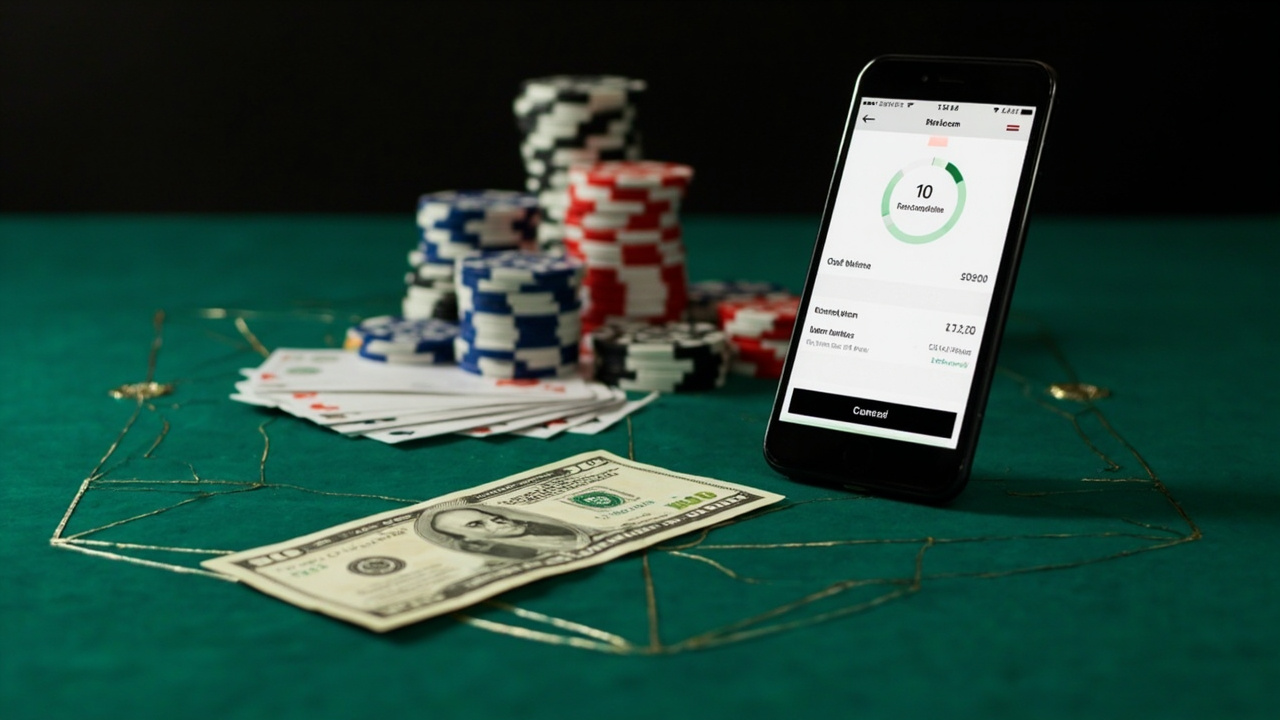
The return-to-player rate is the inverse of the edge, and it only settles into shape over a long run of play. A machine advertising 96 percent return keeps roughly four percent on average, though short sessions can swing wildly either way. I have sat through enough CRM reviews to know that a flashy bonus rarely compensates for a title that quietly bleeds value over time. The reels, paylines and volatility all feed into how often that edge shows up in your account balance. If you want a closer look at how a comparable table game frames its edge, the guide on understanding house edge for European roulette lays out the same logic in plain terms. Ancient artefacts have even turned up loaded dice, which is a neat reminder that the house has always had a structural tilt.Understanding House Edge For European Roulette
What to weigh before you play
A sensible player asks a few direct questions before chasing a spin. How much of the return rate is visible before you deposit? Does the game use a fixed set of outcomes or a pooled mechanic? Are the bonus rounds weighted in a way that changes the expected hold? I judge these the same way I judge a VIP ladder: the real test is whether the product holds its value after the welcome offer runs out. You want titles that keep their promise across repeat sessions, not just on day one.
- Confirm the published return rate sits where you expect it to.
- Check whether volatility matches the pace you actually enjoy.
- Read the bonus wagering requirements before you commit funds.
- Compare the same title across mobile and desktop to spot any quirks.
- Keep your stake size aligned with the session length you plan.
Keeping the value going past the welcome offer
The first deposit bonus is the easy part; the harder work is what keeps you returning after the free spins dry up. Recurring promos, cashback on losing sessions and a loyalty ladder that actually recognises regular play are what separate a forgettable site from one that earns a place in your routine. In customer service terms, a quick answer on a withheld bonus is worth more than a glossy homepage, because retention is built on trust, not on a one-off gift. Tournaments can add a fresh angle when you want a time-boxed challenge, but the smart money stays on our corner of the web products that keep paying out steadily rather than swinging for the fences. A mate of mine, Dave, was staring at a flat white at a Surry Hills café last week and asked me whether the edge ever evened out. I told him the edge is a long-run average, not a reset button, and he laughed and said, fair dinkum, that is exactly why he sticks to the titles he has already watched for a few weeks. No worries, I said, as long as you treat it like paid entertainment and not a payday.
Play it steady and keep expectations clear
Treat every session like a planned entertainment cost, set a limit you can live with, and walk away when the maths says the run is done. The online pokies house edge and odds do not care about your mood, your postcode or how busy your week has been, so the only real lever is how you size the stake and how long you stay in. Sydney venues and online lobby both reward the player who knows when to call it a night, because the edge is built to compound quietly, not to hand out miracles. If you keep your expectations grounded and pick titles with a transparent return rate, you give yourself the best shot at enjoying the game without chasing losses.